

‘Taking risks and making choices is what makes life so exciting.’ - Amy Poehler
‘What do you want to be when you grow up?’
‘What are your plans for after school?’
‘Are you going to university?’
All the questions - though well-intentioned - can be difficult to bear if you’re unsure of what’s next! When you’re in the upper years of school, or you’ve left school and are planning to move into study or work, it can feel like everyone’s waiting and watching to see what you do next. In this blog, we’re going to explore this topic of choosing your path - or even just choosing your next step. We’ll look at:
Getting to know yourself and exploring opportunities
Dealing with others’ expectations
Support available at school
Options for after school
Our top tips for making the right choice for you
Our tips for young people living in Badenoch & Strathspey
Finding Your Element
The late Ken Robinson, famous for his work on creativity in education and his TED Talk watched over 80 million times, wrote a book called Finding Your Element. His big idea is that the greatest life satisfaction comes from living as much as possible ‘in your Element’ - the point where personal passions and natural talents meet. It is a very interesting book which challenges the reader to think carefully about how they want to live their life, and to work towards that by exploring what’s inside you as well as looking creatively at the opportunities in the world around you. It may well not be possible to find your element immediately on leaving school - although many people do - but it’s still definitely worth keeping this idea in mind as you choose the next step on your path. The many benefits of working or studying in your element include that time often flies by and you feel energised and excited by life. When you are not in your element, it can feel like time is dragging and your energy is zapped. If you are not currently able to work or study in your element, then finding your element in another aspect of your life is very important, for example, sports, hobbies, volunteering, family life.
A few examples of peoples’ Elements - notice how varied they are!
communicating and working with people
music - playing, teaching, writing
fixing engines
cooking for/feeding people
competitive sales
playing sport, being part of a team
teaching
making things with their hands
helping people with difficult aspects of their lives.
Getting to Know Yourself
An essential part of choosing your path, and of finding your element, is getting to know yourself well. Before you take the next step into work or further study, it’s very important to take some time to truly get to know yourself so that you can do your best to go after a job or a course that will suit you now. ‘Yourself’ includes:
your personality and character - how do your friends and family describe you as a person? How do you think of yourself? For example, loyal, kind, funny, friendly, pedantic, argumentative, peacekeeper etc.
your abilities - what have you learned so far? What skills have you developed?
your aptitudes - what comes easily to you? What are your ‘raw talents’ that could be developed with effort?
your interests - make a list of your interests and pay special attention to long-standing interests. What do you never get bored of?
your values - what is important to you? See our list of examples of values in our Decision-Making blog.
your passions - what do you really, really enjoy and love? This could be an activity or a subject or an environment.
your preferences - make a list of your preferences, for example, inside or outside, sedentary or active, with people or alone.
your responsibilities - for example, are you a carer? How much time and energy do your responsibilities take up?
your dreams - what dreams have you had about your future? List them all, even the big, crazy, ambitious dreams! They might give you a clue about what to do next.
Some of these features of you may change as you get older, and that’s completely natural. The important thing is to learn how to identify them and know yourself at each stage of your life. All of these are clues that will help you figure out what to do next.
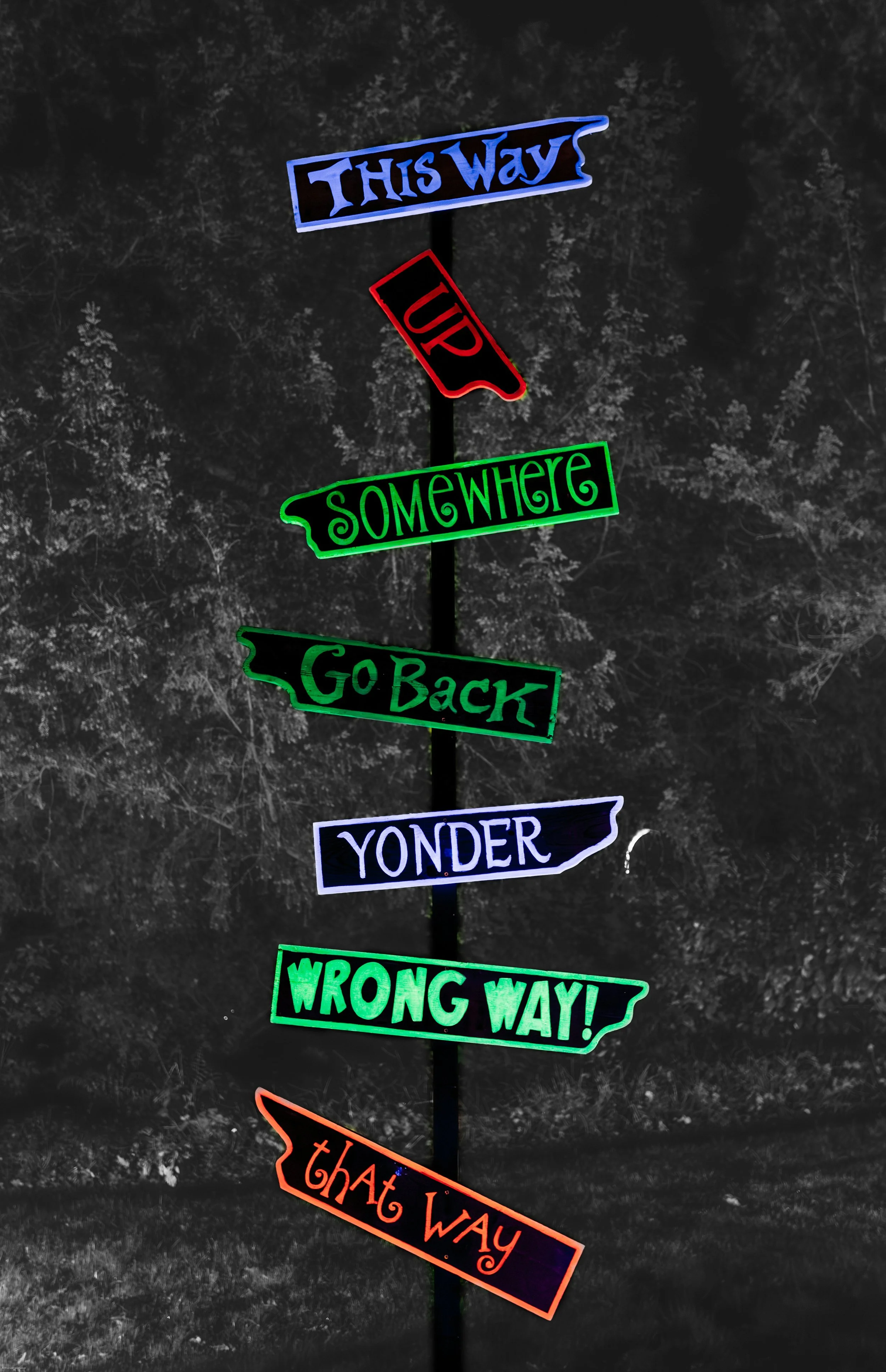
Exploring Opportunities
This means interacting with the people, events, environments and circumstances around you in the real world in which you live. Cultivate an attitude of ‘give it a try’. As Ken Robinson said:
‘You need to try new activities, visit new places and meet new people. You need to put yourself in the way of new opportunities and test yourself in different circumstances. If there are activities or experiences you have wanted to try, you should try them. If there are things you have been anxious about doing, but feel intrigued by them, you should try them. If you don’t try new things then you may never find out what you are capable of.’ (page 17, Finding Your Element)
Your teen years are such a good time to try new things, whether in or out of school. Part-time jobs are also a really useful way to earn money while trying out different work environments, and learning valuable life skills along the way.
It may be that you find out what you are interested in is not possible to do in the geographical location where you currently live. Spend some time exploring what it might be like to move away to study or get a job in a particular field. Ask questions to relevant people and gather as much information as you can. You’re not committing to anything at this stage, just exploring the possibilities.
What’s next?
If you don’t yet have a clear idea of what’s next for you, spend some time getting to know yourself as we discussed above, and exploring available opportunities. Then consider the following questions, or have a conversation about them with someone you trust. Hopefully, this will help you to decide on a next step, even if it’s just a small one like finding out more about a job you’re interested in.
What do you want to do when you are an adult? How do you want to spend your time?
What school subjects or extracurricular activities make you feel excited and energised?
What kind of changes would you like to help make happen in the world?
What would you like your life to be like in 5 years’ time? And 10 years’ time?
Are there any jobs you have heard about that you are interested in finding more about?
Do you like working with groups or prefer one-to-one situations?
Do you prefer thinking about ideas and the bigger picture, or are you more of a details person?
Do you prefer to be moving around or sitting looking at a screen?
Do you like to work methodically through a list of tasks, or does your attention tend to jump around?
‘Our lives are fashioned by our choices. First we make our choices. Then our choices make us.’ - Anne Frank
Dealing with others’ expectations
Many people grow up absorbing the expectations of those around them - family, caregivers, culture, society - and sometimes it can be hard to figure out which are your own expectations and which you have taken on.
Examples:
Layla’s dad runs the family hotel business, which he took over from his father before him. He has always expected that Layla will start working in the business full-time as soon as she finishes school - the sooner the better. He believes going to college and university is just for people who need more help finding a job, so why would she want to do that when she has a good job ready and waiting for her? Layla’s worked in the hotel since she was 14 and spent a lot of time there when she was younger. She loves her dad and she loves his hotel…but, she’s interested in science and wants to look into how she might be able to go to university to study biology. But maybe she’s being ungrateful and should just do what her dad wants her to do?
Mackie is a straight A student and everyone - teachers, family and friends - expects him to go to university straight after school to study law or medicine. He comes from a family of medics and no other path apart from finding a ‘proper profession’ has ever been discussed. Mackie doesn’t know what to do with his love of art and travel, and convinces himself that they should just be hobbies that he does in his spare time off from his ‘real job’. But his art teacher has suggested that he apply to art college - Mackie has dismissed the idea as crazy. Will he regret that?
Isla’s mum raised her alone, while working two jobs. She really wants Isla to get a better education than she received, so that Isla can find a better paying job. Isla has always wanted to run her own bakery, has studied hospitality at school and works part-time in the local cafe. Isla’s mum thinks it’s far too risky and that Isla’s far too young to start her own business - Isla should be going to college or university full-time. Isla feels torn between respecting her mum’s opinions and following her own dream.
These examples are all challenging situations that will require good communication and collaboration between the young person and their parents for resolution. Some things to think and talk about:
Is your parent/teacher/caregiver really pressuring you, or actually just encouraging you?
Are any of their ideas a bit outdated for the current working world? For example, it’s not necessarily a guarantee that a degree will open the door for a better paying job - depending on what you study and what the job market is like when you graduate. There may be jobs that your older family/teachers aren’t as aware of as well.
Can you find a way to speak truthfully to them about what you want to do next with your life? Share your perspective with them honestly and respectfully.
Acknowledge their good intentions. For example, you could start with ‘I understand that you want what you think is best for me because you love me’.
Show them your commitment and responsibility - they are more likely to get on board with your plan if they can see you are serious about your goals.
*Tip*
Struggling to make a decision about your next step? Read our Blog on Decision-Making for some helpful advice and guidance.

Support at School
There is a lot of support available at school in the Highland Council area, especially if you fully engage with it, and seek advice when you need to.
You have the opportunity to attend regular meetings and classes in school with an Skills Development Scotland Careers advisor. Skills Development Scotland delivers Scotland’s Careers Service in schools, centres and online.
You can also get support from Developing the Young Workforce, which organises events with employers and outings to workplaces where young people can meet with employers and learn about different job roles and sectors.
You can access work placements on Workit in order to try things out before you commit to a college course or apprenticeship.
You can find out about your strengths and explore your interests on Unifrog.
My World of Work is great for CV building and interview practice questions as well as free online courses so you can try before you commit to any longer term courses.
Part of your guidance teacher’s role is to support you to navigate the transition of leaving school to post-school destinations.
*Tip*
It’s OK to start a college or university course without a career goal. Sometimes it’s too daunting to think of all the future options all at once, and feel like you have to tie your identity to a future career. It’s OK to take the next step of studying something you are interested in, and see where it takes you. Your job is only one part of your identity.
Options for after school
Go straight into a job - if you’re not interested in further study or taking some time out, then finding a job will be top of your list. Your guidance teacher or local DYW school coordinator can put you in the right direction for your job searches. You might need to think about creating your CV, writing job applications, and preparing for job interviews. It’s an exciting and sometimes nerve-wracking process - and you can do it!
Go straight into further study - take the summer off and then start your new course in September! This might involve moving away from home, or travelling daily to your place of study. If you’re moving away, there might be a lot to organise. You may work over the summer to save up for a holiday or towards your college or university expenses. Have you applied for funding?
Take some time out - there’s no rush to get into further education or starting a career path. Taking some time out to work in a different job, volunteer or gain work experience in a particular role or industry can help you to build confidence, develop practical skills and support you to make more informed decisions about your future. Programmes like Project Trust offer fantastic overseas volunteering opportunities and they also provide support with fundraising which makes the experience much more accessible.
Defer for a year - do you know what you want to do next but aren’t quite ready to leave home or to jump into it yet? Delaying your start date by one year can give you a good opportunity to take some time out, work, do an internship, and learn life skills that will help you when you do start the course. This is a good option if you need to work to save money, have a mental health break or take some more time to think about your direction but with a back-up plan in place. This list of pros and cons is a good place to start.
Apprenticeships - apprenticeships are a brilliant option to consider: earn while you learn! Many hand-on trades jobs aren't going to be replaced by AI, and are a great first step into a rewarding career.
‘Choosing one path means abandoning others - if you try to follow every possible path, you will end up following none.’ - Paulo Coelho
Five top tips for making the right choice for you
Speak to different employers and connect with people already working in the field you’re interested in. This can be incredibly valuable as it will give you a much clearer sense of whether the career path genuinely suits you and will help confirm if you’re heading in the right direction. These conversations can also open your eyes to opportunities, challenges and routes into the industry that you might not have considered before. People love to help, so don't be afraid to ask!
Keep an open mind. Have a few different options in place - a plan A, B and even C. Career paths are rarely straightforward, and sometimes the experiences you gain along the way end up shaping your direction far more than you expect. Taking a step in a direction that interests you is usually better than staying still, even if you don’t know what the outcome will be.
Don’t hold yourself back. Someone who gave us a tour of a construction site recently said ‘the only person who can hold you back is you’ which we think is excellent advice!
Take the pressure off. You’re choosing what to do next, not what to do forever. People tend to change jobs every 3-5 years according to some studies, and you will know people who have changed their entire career mid-life. This isn’t to say you shouldn’t give this decision some serious thought, but at the same time, don’t let it paralyse you.
Believe in yourself. If you have an ambitious idea, go for it! Even if it doesn’t work out, you’ll learn valuable lessons along the way. Life is a journey.

‘There will always be obstacles and choices. Your job is to choose which choice leads to the best outcome.’ - Germany Kent
Our tips for young people living in Badenoch & Strathspey
Living in a rural part of the country brings its own benefits and challenges. If you want to stay local and take your next step in the Scottish Highlands rather than migrating to a city, here are some of our top tips.
Skilled trades such as electricians, plumbers, joiners, mechanics and renewable energy engineers offer strong long-term opportunities and are already in short supply across rural communities. Apprenticeships in these trades are worth looking into - earn while you learn.
The growth of green industries is creating new opportunities in forestry, peatland restoration, conservation, wildlife management and renewable energy projects across the Highlands.
Careers in healthcare, social care, mental health and youth support are increasingly important as rural populations age and communities need more local services.
The Scottish Highlands is a great location to grow high-quality tourism and outdoor careers, from guiding and hospitality to food tourism, cultural experiences and adventure activities.
There is growing demand for people who can combine technology with practical work, such as using drones in land management, digital tools in farming, or AI-assisted systems in renewable energy.
Locally produced food, drink and craft products continue to create opportunities in farming, distilling, artisan food businesses and sustainable rural enterprises.
Cyber security remains one of the most promising and resilient careers of the future and it's something you can study at UHI Inverness
*Tip*
Stuck for ideas? Read our blog on Work & Study Opportunities for young people living in Badenoch & Strathspey.
Asking for help
If you are experiencing some difficulties with choosing your next step, do consider talking about this with a trusted adult. A parent, guardian, older sibling, friend, relative or teacher may be able to listen and provide valuable support - we’ve all had to make choices in terms of work and study, and may have done this many times in our lives. Try to choose someone who you know is a good listener.
Some things you might like to discuss:
what are the specific issues you are having with choosing your next step
whether you need some support with developing a sense of your own direction
how does the trusted adult deal with making big life decisions like this
whether the adult has any other useful advice or guidance to give you
If you are struggling to identify someone in your personal life to have this discussion with, get in touch with us!
‘Just do the next right thing, one thing at a time.’ - Glennon Doyle
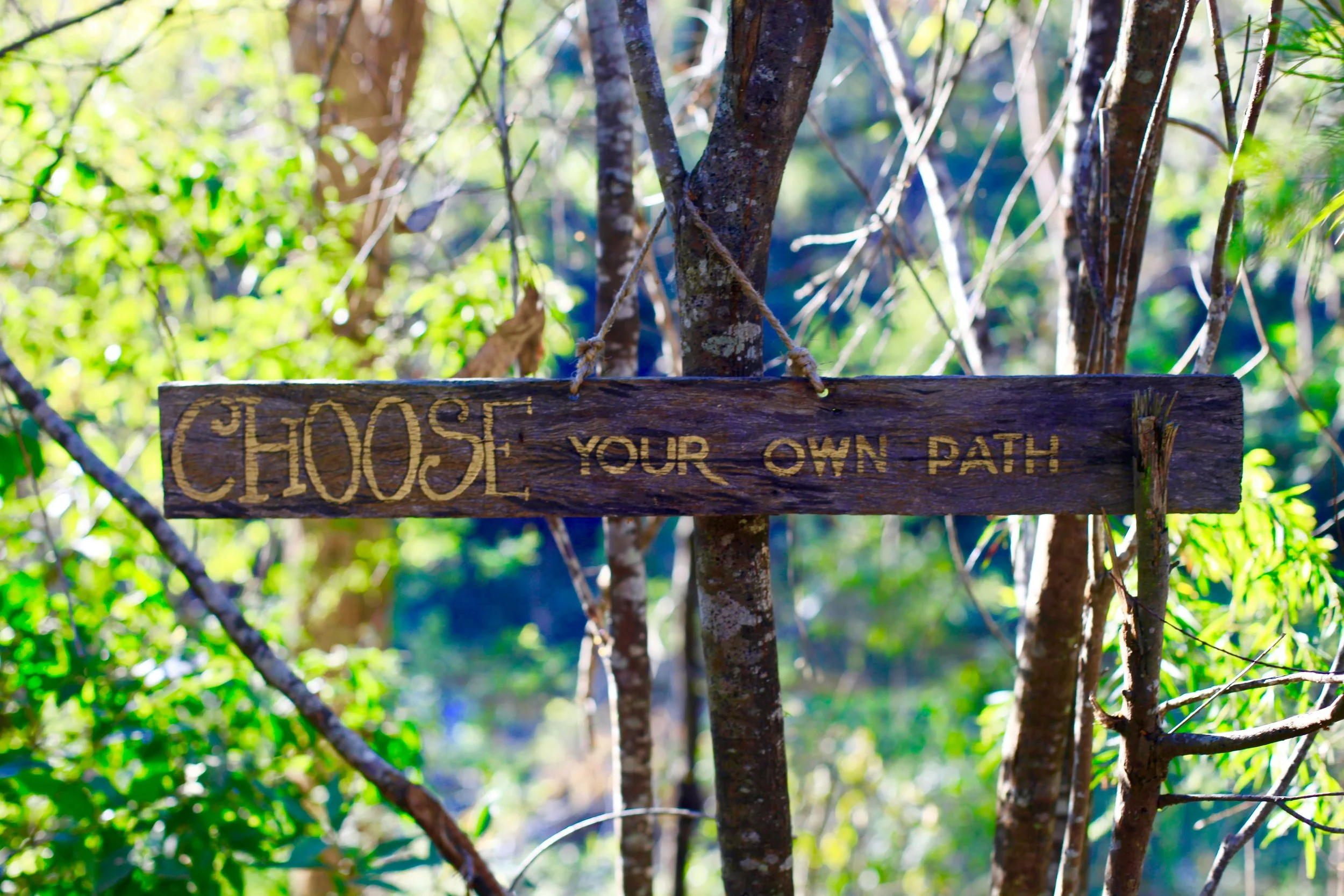
Our challenge to you
This week, take some time to reflect on where you are at the moment, and what you think you might like to do next. Use a notebook to write down your thoughts and feelings, or chat it through with someone you trust who is a good listener. Sometimes just writing it down or speaking it out loud can make it feel less scary. You can get to know yourself better by taking some quiet time to reflect on the parts of you listed in the first section above. Can you make a link between yourself and an available opportunity where you live?
‘Tell me, what is it you plan to do with your one wild and precious life?’ - Mary Oliver
Further resources
Books
Finding Your Element by Ken Robinson
What Color is Your Parachute? For Teens (4th edition) by Carol Christen
Practical Career Planning for Ambitious Teens by River Ellington
Videos
Useful Websites