

Self-care is giving the world the best of you, instead of what’s left of you.’ - Katie Reed
What does ‘self-care’ mean to you? Sometimes the media would have us believe it’s just chill-time and bubble baths, but there’s so much more to it! How you look after yourself includes the basics - sleep, rest, nutrition, movement, social connection - and how you prioritise what you want and need, ask for support, and set boundaries. It's basically everything you do to maintain your physical, mental and emotional wellbeing, and it contributes to how good you feel in your life. Are you getting by each day, or are you really thriving?
In this month’s blog, we’re going to explore the different ways in which we can learn to look after ourselves with more care and attention, including:
Why self-care matters
Locking in the basics: sleep, rest, nutrition, movement and social connection
What do you need and want?
Setting boundaries
A week of good self-care
Asking for support
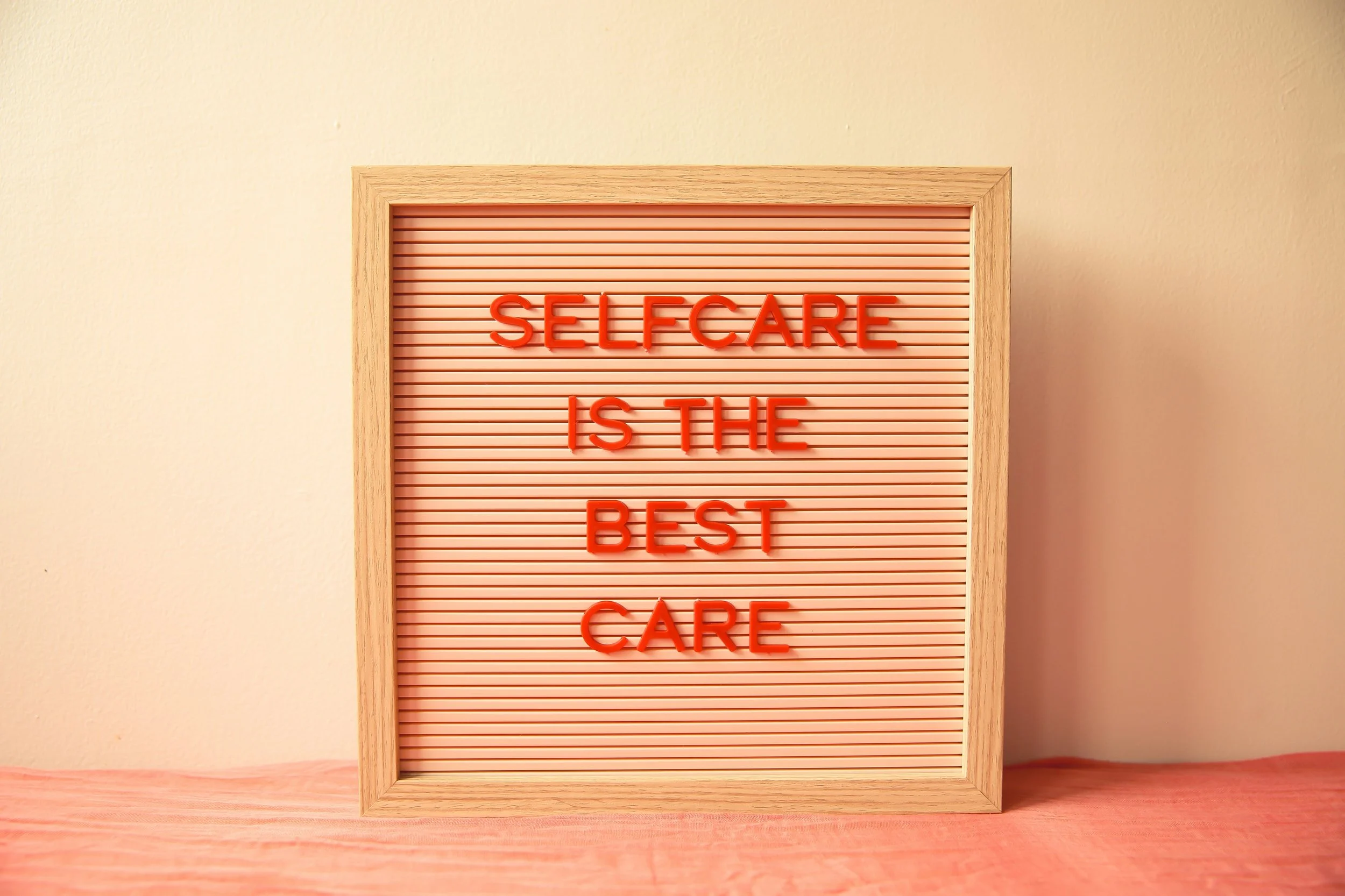
‘The greatest act of self-care is to believe that we are worthy of care.’ - Tara Westover
What is self-care and why does it matter?
In this blog, ‘self-care ‘ means what you do to look after yourself in order to maintain your own physical, mental and emotional wellbeing. How do you manage your own health and energy, so that you can thrive in your life?
This matters because you matter. Your life matters. What you decide to do each day matters. Whatever your spiritual beliefs may be, it’s pretty much a miracle that the unique person that is you is living in this time on this earth spinning around in space, doing the things you do each day. Self-care helps you to make the most of simply being alive!
For most of your adult life, you will likely care for yourself along with caring for your loved ones - family, friends, dependants, colleagues, pets. Human beings are naturally caring and have a strong urge to help and support others. Women especially are conditioned by our society to put the needs of others before themselves. You’ll have heard all the old tropes:
‘you can’t pour from an empty cup’
‘put your own oxygen mask on first’
‘an empty lantern provides no light’
These sayings mean that it’s important to look after yourself well, so that you have enough energy to live your life and to look after others. If you are completely exhausted, overwhelmed or burnt-out, then it’s almost impossible to enjoy your life or give to others well.
Learning how to practice self-care is about listening to your body, being aware of your thoughts and emotions, and understanding what you need to care for yourself.
Sometimes, this looks like saying ‘no’ to others when you need to. By setting boundaries and prioritising self-care, you will not only be looking after yourself better, but you’ll model positive self-care to those around you.

‘You yourself, as much as anybody in the entire universe, deserve your love and affection.’ – Buddha
The Basics
Locking in your habits so that you can meet your basic everyday self-care needs is so important. What works for one person may look very different to what works for someone else, and this may be affected by things like individual preferences, experiences, circumstances, extroversion/introversion, neurodivergence, and more.
Put yourself first by learning what supports you. You might need to try a few different things to see what makes you feel best.
SLEEP - the average teen needs 8-10 hours of sleep each night for optimal health and brain functioning. Your brain is going through a massive re-wiring as part of its development (see our blogs Teen Brain Development Part 1 and Teen Brain Development Part 2) and sleep is vital for that process. Also, you just know that you feel a lot better when you’re not sleep deprived! A few tips for improving your sleep:
spend some time outside during daylight hours, during the morning if possible
avoid caffeine after lunchtime
switch off your devices at least an hour before you want to be asleep to allow your brain to wind down
keep your devices out of your bedroom overnight to avoid distractions.
try out different wind down activities to see what feels good and works for you. This might include having a milky drink, a bath, reading for pleasure, listening to music, breathing exercises, meditation or journaling to empty your mind before sleep.
REST - most teens have pretty busy lives, full of study, work, sport, family and socialising with friends. It’s important to think about when you get non-sleep rest, and how that makes you feel. Are you a person who needs time alone to recharge your batteries? Or do you feel better when you are with other people? Are you able to rest, or do you always feel like you should be doing something? ‘Busyness’ is often seen as a badge of honour in our culture, and you may have absorbed that. But being busy all the time doesn’t usually feel that good. You deserve to take some time to rest without feeling guilty.
Different activities are restful to different people too. Your friend might enjoy drawing while listening to music, and you might like to lie on the sofa with a cup of hot chocolate watching your favourite show. Scrolling on your phone for hours may be physically restful, but usually isn’t mentally restful so experiment with turning it off for a day and see how you feel.
Some ideas for resting:
read a book
sit or walk outside in nature
daydream
listen to music
meditate
have a bath or shower

NUTRITION - eating regularly and nourishing your body are a key part of looking after yourself. Learning how to fuel your body for the activity you do, noticing how you feel when you skip a meal or snack on junk food, and remembering to drink plenty of water are all very important aspects of self-care.Your body is going through a lot of change and development, and you need energy to deal with all the activities you are doing.
Our top tips:
don’t skip breakfast - eating earlier in the day helps to fuel your brain for learning and sets you up for the day
watch your sugar intake - sweets, fizzy drinks and sugary snacks are all loaded with sugar. You may feel good initially but the sugar crashes that follow can leave you feeling super depleted.
eat the rainbow - plenty of vegetables and fruit every day to give your body the nutrients it needs
eating well but still feel tired? You might be low on iron. Check with your GP.
remember to hydrate! Water is best for keeping thirst at bay - try keeping a bottle of water with you and sip throughout the day. Did you know you can flavour water naturally with all kinds of things including mint leaves, sliced cucumber, herbal tea bags, berries, melon, pineapple, ginger and even lavender!
MOVEMENT - moving your body every day is one of the best ways to look after yourself. It’s so easy to become stiff and hunched when you’re sitting at a desk or bending over your phone. Even if you’re not really into sports, you can try to find some kind of movement that you enjoy. Exercise has multiple benefits for your body, including the release of ‘happy’ hormones, so it’s great for your mental, emotional and physical health.
A few movement ideas:
walk or cycle instead of driving or getting the bus
take the stairs instead of the lift
stretch in the morning when you get up - cats and dogs do it so why not join in?!
try out a new sport or activity - you might make a new friend too
yoga and pilates are great for building core strength and also relaxing
Couch to 5k - this NHS app provides a great programme to get you into running
find a movement buddy and do something together!

SOCIAL CONNECTION - humans are simply wired for connection. You will get some from your online chats, but do make time for real-life connection too. Face-to-face interactions are so important to help your brain learn how to communicate verbally and non-verbally. Good communication skills are everything in life, and feeling seen, needed, connected and challenged in real life is very positive for your mental and emotional wellbeing. Taking some time to learn about how much and what kinds of social connection contribute to your self-care is definitely worth doing.
Find ways that you enjoy to connect with real-world communities:
Find a part-time job
Volunteer
Help a neighbour
Connect with your family
Go on a trip with a friend
Join a club to share a common interest - running, chess, Warhammer, crafts, climbing, book club - the list of options is endless! Can’t find the right club near you? Then set one up!
*Tip*
For a deeper dive into why sleep is so vital for our everyday good health and energy levels, check out our blog Sleep is Your Superpower.
‘Almost everything will work again if you unplug it for a few minutes, including you.’ - Anne Lamott
What do you want and need?
In last month’s blog, Choosing Your Path, we talked a lot about getting to know yourself. Identifying what you need and want are crucial parts of knowing yourself, and are also relevant to self-care too. Sometimes when we feel overwhelmed or exhausted, it’s because some of our needs and wants are not being met, either by ourselves or those around us. You might not have much control or influence over those around you, but you can learn how to meet your own needs, and how to go after what you want!
Example of needs:
to catch up on sleep
to eat a proper breakfast
to have some time alone
to have a good cry
a hug from your mum
to take a break
Examples of wants:
to pursue a particular sport or career, which may affect where you put your energy and focus
to go on a trip to France
to learn a new craft
to eat a doughnut
to go to that party on Friday night
to ask Susie to go to prom with you
‘Taking care of myself doesn't mean ‘me first’. It means ‘me too’.’ - L.R. Knost
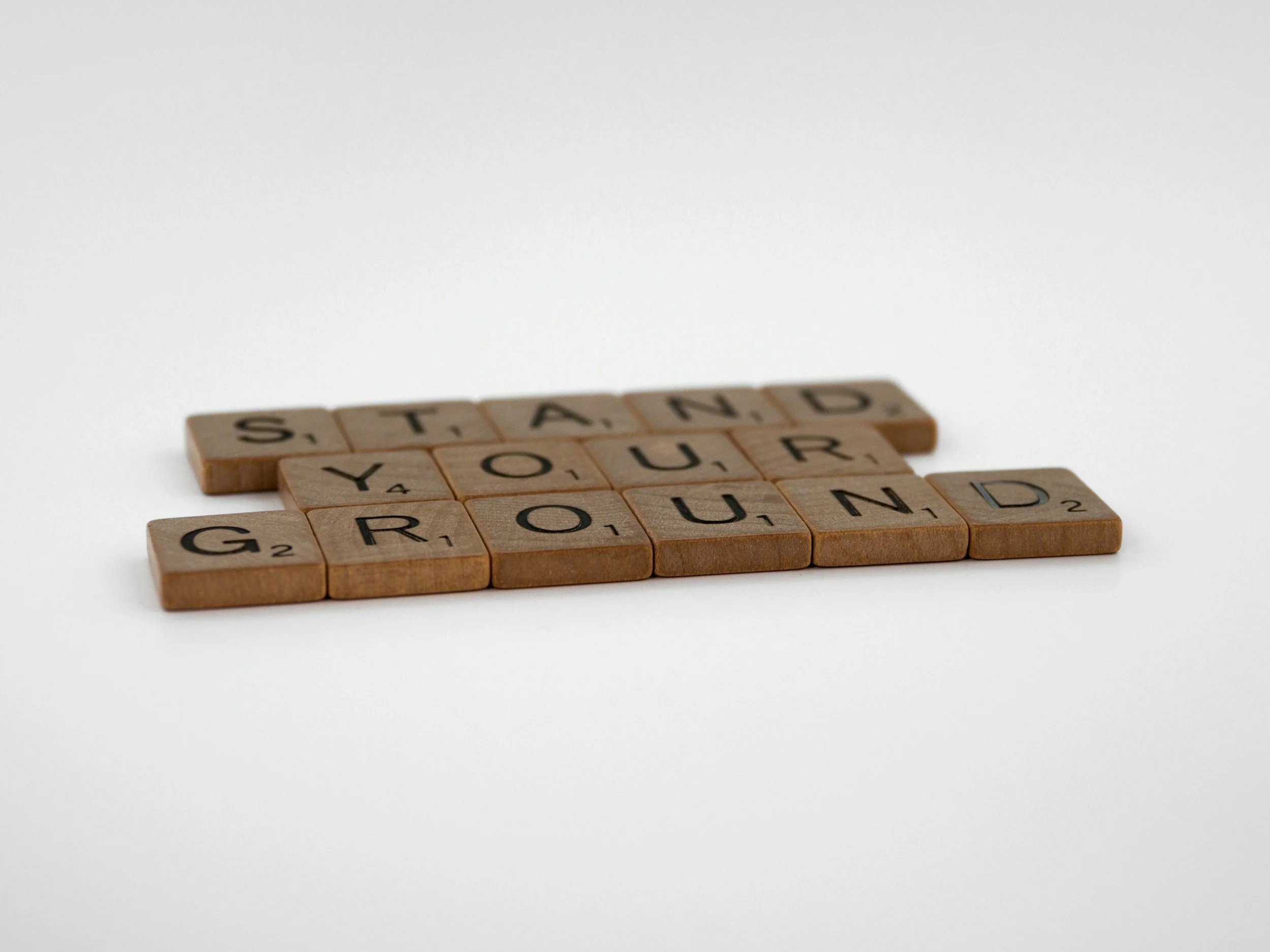
Setting Boundaries
Boundaries are basically your limits: what you are willing to give and and take with other people, and how you state that your needs and wants matter too. In terms of self-care, two types of boundaries are relevant. First are external boundaries with other people, and second are internal boundaries within yourself. Let’s look at both of these in turn.
Other people
You may need to learn how to say ‘no’ to others, and put your own needs and wants ahead of others’ in some circumstances. For example, you may have been invited to a party which usually you’d be super excited about, but this week you’ve had a sore throat all week and feel really rubbish. You might need to say to your friend who’d been asking you to help out ‘no I can’t help get things ready for the party tonight - I don’t feel well and I need to stay home’. It is easier to say no when illness is involved, but what if you’re just tired or done with people that day and don’t want to go? Then you might need to weigh up how important the party is to your friend, and what the impact on her might be of not going, with how you are feeling and how you will feel if you do go. If your energy battery is flat and you need some alone time to recharge, that is totally fine and you don’t need to overexplain yourself.
Here are a few examples of how to say ‘no’ clearly and calmly:
‘I don’t think I’m the right person to help with that.’
‘I’ve already got plans.’
‘That’s not going to work for me.’
‘Sound fun, but I’m not available.’
‘Maybe next time.’
‘No thanks.’
Within yourself
There are lots of examples of personal or internal boundaries you may set to support your self-care. They can help you to manage your thoughts, feelings, energy and choices. Here are a few but perhaps you can think of more?
Setting a budget/spending limit for yourself to avoid getting into debt
Setting a daily screen time limit for yourself to help you feel and sleep better
Choosing a bed time that gives you the opportunity to get sufficient sleep
Refusing to take on someone’s disappointment as your responsibility
Choosing to speak kindly to yourself
Forgiving yourself for your mistakes
Actively stopping a spiral of negative thinking
It’s worth spending some time reflecting on your own needs and wants in order to identify external and internal boundaries that may help you look after yourself better.
‘Talk to yourself like you would to someone you love.’ - Brené Brown
*Tip*
If you’re noticing that you’re finding it hard to take good care of yourself, and that you’re speaking to yourself in a negative way, have a read of some of our other blogs:
Dealing with Negative Thoughts
A week of good self-care!
Here’s an example of some ways in which you might practice self-care during a busy week.
Anna has just started 6th year of high school. She’s decided to stay on this year to gain a couple more Highers so that she can go on to study at college or university the following year. As well as her school work, she’s got a part-time job at a restaurant, plays for the local shinty team and has a lively group of friends. She helps to care for her elderly grandmother, and shares responsibility for her family’s dog, Benji. She knows that exercise, time outside in nature, plenty of sleep and eating regularly help her to feel well and energised. Let’s have a look at Anna’s diary to find out how she practices self-care during a busy week …
Monday - went to bed early last night as it’d been a busy weekend and a late one at the party on Saturday night! Slept so well - I love my bed :) Took Benji for a walk before school. Ate lunch outside with my friends, and after school I biked over to Gran’s to sort out her washing and cleaning, and make her dinner, then we ate together. She was on good form today so that was good. The evening was a bit of studying, TV and then a lovely hot shower before bed - another early night for me.
Tuesday - took Benji for a wee run before the busiest day at school this week. It was intense - doing crash highers is hard! Managed to grab lunch in between classes and helping out with the new S1 clubs at lunch break. Shinty practice straight after school, before heading to work for the evening. Luckily chef fed me before the shift started! Lots of tips tonight :) Home late but took a wee while to chat to Mum and have a bath to relax before bed.
Wednesday - really tired after yesterday. Still getting used to having shinty and work on the same day. I want to make it work though - shinty’s my favourite sport and I am loving the new team. Maybe I could swap to a different evening at the restaurant? Maybe should have headed to bed earlier but I was wide awake after work and needed to wind down a bit. School was challenging today but a break outside at lunchtime helped. After school I was back at Gran’s. She was feeling a bit sorry for herself today so it took a lot of effort to cheer her up and get her sorted. Had plans to meet up with Rach and Evie later on but I had to bail - just too tired :( Went home from Gran’s and took Benji for a riverside walk before chilling out for the rest of the night.
Thursday - feel so much better today! Lots of free periods at school on a Thursday so I popped to Gran’s at lunchtime, went to the gym, and hung out with Rach and Evie in the common room :) Shinty practice and homework in the evening. Might need to talk to Mum about getting a tutor for this crash higher chemistry - finding it really difficult.
Friday - walked Benji before school and had a good morning. Straight from school to work though - but luckily chef likes to make sure I’ve eaten a good meal before I’m on shift! It was a good laugh actually, the other staff are great. Long shift so I only got home at 10pm. Spoke to Mum about chemistry - she suggested speaking to the teacher for some more support then see how it goes over the next couple of weeks. If it’s still challenging then maybe consider finding a tutor then. Feel relieved to have chatted about it tbh, I was getting a bit worried I’d made the wrong decision taking it.
Saturday - I’m with Gran on Saturday mornings so I took Benji round for a wee visit first thing and got her chores sorted. Took her out to the Co-op for her shopping and then next door to the cafe for her scone and tea. She loves her wee outings with me - I’m so glad I can help Mum look after her. It’s hard work though sometimes. Later I went shopping with my friends, it was such a laugh. We went to the cinema in the evening and got home pretty late.
Sunday - had a bit of a lie-in this morning :) PJs morning and Mum made us delicious pancakes. Shinty match this afternoon went well - we won! So proud of our wee team, they are all lovely girls too and I’m enjoying getting to know some more folk outside of school. Someone brought the most incredible chocolate cake to eat afterwards :) Some of them were heading out to celebrate the win, but I had some studying to do, and then I took Benji for a wee walk and popped in to say hi to Gran. Then another early night for me!
In Anna’s diary, you can spot plenty of examples of how she looks after herself with
sleep
rest
food
movement
social connection
asking for support
saying ‘no’
knowing what she wants
knowing what she needs
Remember, what is good self-care varies from person to person. Some people need more sleep than others, just as some people need more alone or social time than others. Figure out what works for you and then when you’re feeling a bit run-down or overwhelmed, you’ll know how to get back on track.
*Tip*
Finding it difficult to maintain new self-care habits? Check out Atomic Habits by James Clear - it’s sold over 30 million copies worldwide and is a fantastic guide to building the life you want by and becoming the person you want to be through tiny habits. Our blog summaries the key points, but the book is well worth a read or listen!
Asking for help with self-care
If you are experiencing some difficulties with looking after yourself, do consider talking about this with a trusted adult. A parent, guardian, older sibling, friend, relative or teacher may be able to listen and provide help and support - we all have to learn how to look after and manage ourselves, and people do this in different ways depending on their circumstances and needs. Try to choose someone who you know is a good listener.
Some things you might like to discuss:
what are the specific issues you are having with learning how to look after yourself
whether you need some support with self-management
how does the trusted adult look after themselves, and how did they learn how to do this
whether the adult has any other useful advice or guidance to give you
If you are struggling to identify someone in your personal life to have this discussion with, get in touch with us!
‘If you wouldn’t say it to a friend, don’t say it to yourself.’ - Jane Travis
Our challenge to you
This week, take some time to notice all the things you do each day to look after yourself. Maybe you could make a diary like Anna’s above, and then figure out which things helped you to feel well and energised. Is there anything you want to do less or more of? Try asking yourself the following questions, or talk them through with a friend:
How do you recover from a hard, tiring day?
How much sleep do you need to feel good? What’s stopping you from getting that sleep?
What activities feel restful to you?
What kinds of food make you feel well? Are you getting enough of them?
Do you move your body every day? What kinds of exercise are enjoyable for you?
Do you get enough real-life social connection? Connecting online can be good, but IRL chats are definitely needed too!
What did you say ‘no’ to this week? How did that feel?
Can you identify what you want and what you need?
Who could you ask for help and support when you need to?
‘Self-care is not a waste of time; self-care makes your use of time more sustainable.’
- Jackie Viramontez
Further resources
Books
Positively Teenage: A positively brilliant guide to teenage wellbeing by Nicola Morgan
Be Your Best You by Honor Head
The Self-Care Kit for Stressed Out Teens by Frankie Young
Self-Care for Students by Frankie Young
The Ultimate Teen Self-Care Handbook by Grace D Henry
Websites
https://www.youngminds.org.uk/young-person/coping-with-life/self-care/
https://www.nhs.uk/every-mind-matters/mental-wellbeing-tips/youth-mental-health/
https://www.annafreud.org/resources/children-and-young-peoples-wellbeing/self-care/
https://www.talkspace.com/blog/self-care-for-teens/
https://www.bbc.co.uk/programmes/articles/5GF8npkXxpp4z0KBqGx2pl7/the-ten-most-restful-activities
Videos